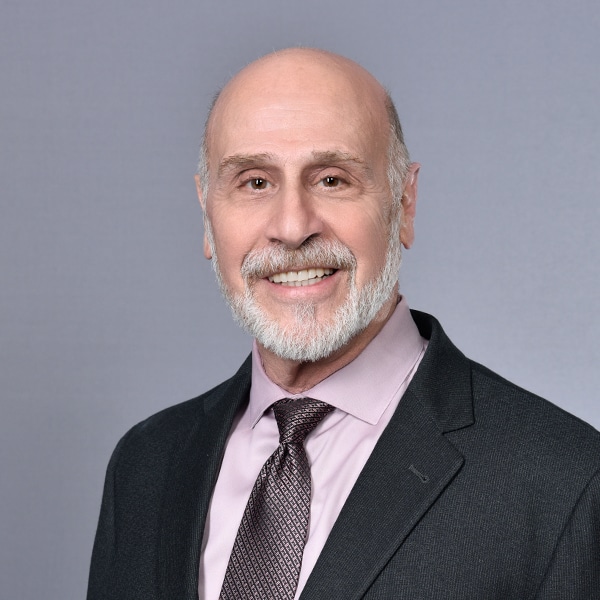
It’s no secret that many physicians are stressed, overworked, and increasingly dissatisfied with the current healthcare environment. The shift over time from private practices to hospitals and corporate practices was prompted by the desire to remove the burden of running a business and allow physicians to focus on their patients. However, many employed physicians instead are working longer hours and spending less time with patients. And they generally have much less control over how they deliver care.
As a result, many physicians are once again considering opening their own practices. Yet they often dismiss the idea when they consider the challenges.
- Healthcare is highly regulated and heavily dependent on reimbursements through Medicare, Medicaid, and private insurance.
- Independent practices require integrated systems for medical records, patient communication, and billing, as well as technology to support virtual care.
- Physicians must also secure and build out a suitable facility and hire clinical and administrative staff to support the practice and establish the desired culture.
These challenges present meaningful barriers. However, a motivated physician will find ways to identify approaches to address each challenge in turn. They can reduce the risks with access to knowledgeable resources, rapidly evolving technology, a well-designed business model, a comprehensive integrated plan, and a professional program leader.
The Road Less Taken
One such motivated physician is renowned orthopedic surgeon Dr. Anthony A. Romeo. After more than 30 years in academic medicine and large health systems, he felt he could no longer deliver the care that patients deserve.
“The layers of administration, pressure to see more patients in less time, and the loss of direct control over the patient experience were pulling me further from the reason I became a physician—to provide the highest level of personalized, evidence-based care,” Dr. Romeo says.
The biggest hurdle, he explains, was the pervasive narrative that independence is no longer viable, that physicians must choose between employment, large mega-groups, or private equity to survive. “I realized the opposite is true. Independence, when done thoughtfully, is not only viable, but often the best path to professional fulfillment and outstanding patient care.”
Turning Vision into Reality
Having reached that conclusion, Dr. Romeo began the practical work of turning the concept into reality. He partnered with Integrated Project Management Company (IPM) to lead a multidisciplinary team of external experts in operations, technology, marketing, finance, facility design and construction, staffing, and compliance. The IPM team developed an overarching and comprehensive plan, bringing structured, repeatable frameworks to execute on Dr. Romeo’s vision. Weekly cross-functional meetings aligned accounting, bookkeeping, marketing, operations, IT, and other critical functions.
“Working with the IPM team was transformative,” Dr. Romeo says. “IPM brought disciplined project management expertise that kept everything on time and on budget. Their structured approach allowed me to focus on the clinical vision while they handled the complexities.”
Critically, IPM oversaw design and build-out of the facility, managing day-to-day work and quality control. “We took an empty, unfinished 4,100-square-foot shell and turned it into a fully functional, elegant, state-of-the-art orthopedic practice in just five months,” says Dr. Romeo.
At the same time, the practice team developed office workflows to manage scheduling and billing while ensuring patients receive the right level of care, communication, and treatment.
The result is a new state-of-the-art practice with a scalable operating model, including:
- Integrated clinical and billing software systems
- Technology-enabled workflows
- Internal management of core operations without reliance on an external managed services organization (MSO)
Together, the team demonstrated that with a long-term, patient-centered vision combined with a structured implementation framework, a physician can achieve independence. Importantly, it is formula that’s replicable for physicians who may not carry Dr. Romeo’s reputation, as well as those in other specialties or practice sizes.
Benefits Outweigh the Challenges
In December 2025, Dr. Romeo and his team opened the doors to their clinic. Since then, they’ve welcomed many patients and have already begun expanding their team.
While Dr. Romeo is realistic about the challenges—including the personal and financial risks of leaving established systems—he is confident about the benefits of opening Romeo Orthopaedics.
“In my practice, patients have direct access to me and my team, clear communication, shared decision-making, and a concierge-like experience,” he says. “We rigorously track outcomes, iterate constantly, and maintain a culture of continuous improvement. Most importantly, patients notice the difference and respond with trust and loyalty.”