Misaligned processes, compressed timelines, and weak risk planning can derail tech transfers. So Integrated Project Management Company (IPM) hosted a Fierce Biotech Week panel about how biopharma companies and contract manufacturing organizations can avoid these common mistakes.
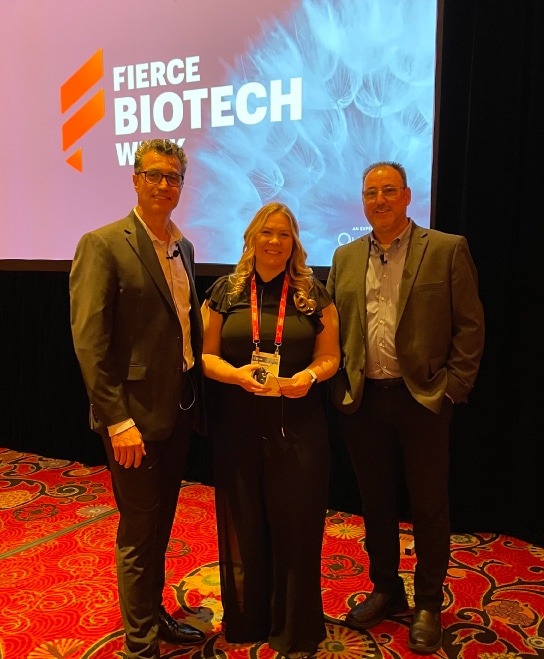
During the session titled “Speed, Scale, and Stumbles: Where Tech Transfer Goes Wrong,” IPM Managing Director and Pharmaceuticals and Biotech Industry Lead Harry Georgiades moderated a candid discussion on execution pitfalls. Panelists Amber Monaghan, IPM director, and John Wichelt, vice president of operations and site director at Kindeva Drug Delivery’s Bridgeton facility, shared hard lessons learned. Drawing on decades of combined experience across biopharma sponsors and CDMOs, they explored why tech transfers often lose momentum after contracts are signed. Importantly, they also shared what high-performing teams do differently when speed, scale, and quality collide.
The discussion centered on a recurring pattern: Tech transfer strategies may look solid on paper, but execution often breaks down once projects move from planning to action. According to the panelists, misalignment typically emerges after initial agreements are final and responsibility shifts from deal teams to functional execution teams.
A major contributor to these breakdowns is rushing into external kickoff meetings before internal pharma alignment is complete. Monaghan shared an example where core stakeholders learned about scope assumptions, material requirements, and quality expectations for the first time in joint meetings with CDMOs.
From the CDMO perspective, Wichelt stressed shared ownership and realistic scoping, particularly when aggressive timelines follow acquisitions or portfolio changes.
Ultimately, tech transfers succeed through disciplined planning, transparent communication, and a commitment to treating biopharma companies and CDMOs as one integrated team working toward the same goal.
Key Takeaways
- Most tech transfer failures stem from execution gaps, not technical limitations.
- Protecting front-end planning reduces downstream rework and risk.
- Shared visibility and governance enable speed without sacrificing quality.
During Biotech Week, Fierce Biotech Publisher Rebecca Willumson interviewed Georgiades about why execution excellence is a competitive differentiator and how leading organizations turn strategy into action across the product lifecycle. Watch the video.